- Feb 28, 2025
What is "Black"?
- Roshini Cope
- Create Your Identity
- 0 comments
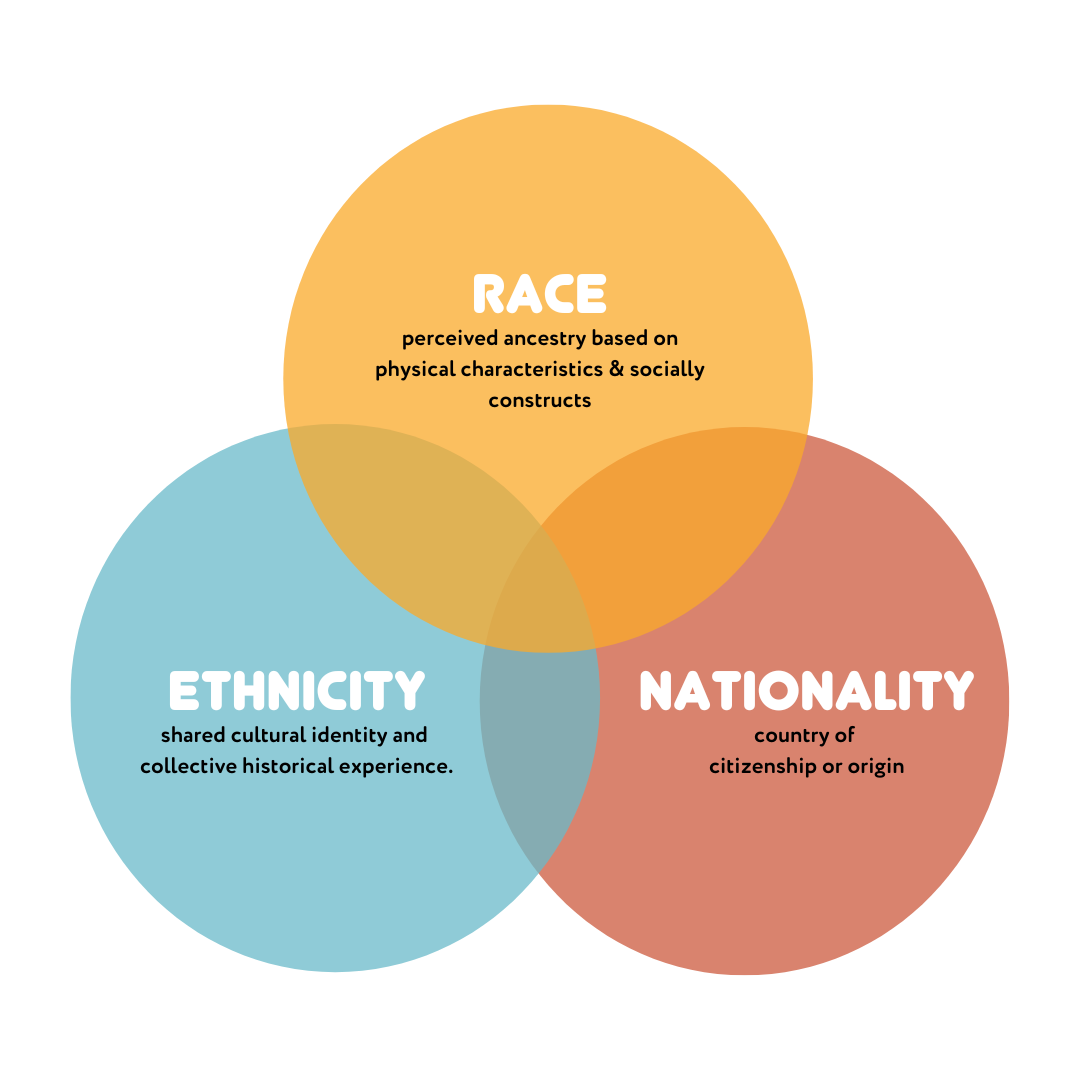
As we conclude Black History Month, I want to explore a topic that often creates confusion but is fundamental to understanding identity:
What is "Black"?
The word "Black" is used in multiple contexts - sometimes referring to race, sometimes to ethnicity, and sometimes incorrectly conflated with nationality. This confusion isn't accidental; it stems from the unique historical circumstances that created these overlapping identities in the first place.
Black as a Race:
When we speak of Black as a race, we're referring to a categorization based primarily on physical characteristics like skin color and other features associated with ancestry from the African continent. This racial category was socially constructed during periods of colonization and slavery to create hierarchies and justify oppression. Race, in this context, is about appearance and perceived ancestry rather than cultural practices. An easy yet potentially crass way to remember is where the boat picked their ancestors up.
Black/African American as an Ethnicity:
Ethnicity, by contrast, refers to shared cultural identity, including language, traditions, food, music, and collective historical experience. "African American" describes the ethnicity that emerged from the specific circumstances of the transatlantic slave trade, where millions of Africans from diverse cultures (*ehem* LET ME SAY THAT AGAIN ... FROM DIVERSE CULTURES) were forcibly brought to America, stripped of their original ethnicities, languages, and traditions, and forced to create a new cultural identity. This new ethnic identity incorporated elements of various African cultures, European influences, and innovations born from the unique circumstances of enslavement and later freedom. An easy yet potentially crass way to remember is where the boat dropped their ancestors off.
Unfortunately, this is where confusion often enters. While white Americans might identify racially as white but ethnically as Italian, Irish, Polish, or German - maintaining clear distinctions between their racial and ethnic identities - Black Americans often use "Black" to describe both their race and ethnicity because the transatlantic slave trade deliberately severed those connections to specific African ethnicities.
What we OFTEN see online is confusion and ignorance around race and ethnicity via statements like "How would you like it if we had a white history month?" or suggestions that Black people are being racist by denoting "Black-owned" in their business profiles or shopping preferences. These conversations often talk past each other because they're conflating race (physical appearance) with ethnicity (cultural heritage).
So, for example:
A Nigerian immigrant to America might identify racially as Black but ethnically as Yoruba (not Black/African American)
A Haitian American might identify racially as Black but ethnically as Haitian (not Black/African American)
A descendant of mainland American slavery might identify as both racially Black and ethnically Black/African American. This group is the group that be melting (yes "be melting") folks brains because they are using the same word to mean both things
... hopefully this post is helping. Share it far and wide and free the minds of the people.
If this overlapping identity wasn't enough, the confusion could be compounded by the fact that what constitutes "Black" as a racial category has never been stable. As we learned a few days ago about people being "legally declared white," the boundaries of racial categories have shifted based on social and political convenience. In various times and places, the "one-drop rule" defined Blackness, while in others, dark-skinned people with money or multiracial individuals with lighter skin could sometimes "pass" or be legally declared as white.
What is Nationality?
Nationality adds another dimension, referring simply to one's country of citizenship or origin - American, Jamaican, Nigerian, Polish, Spanish, Indian, Peruvian, New Zealander etc. This is entirely separate from both race and ethnicity, though all three are often incorrectly lumped together.
So, for example, take me, Roshini, I identify as:
racially Black
ethnically West Indian/Virgin Islander/St. Thomian
nationally American with belonger status in the British Virgin Islands
This has always felt so clear and simple to me, but maybe it's because of the privilege of growing up with an understanding of the delineation from those around me.
All three aspects—race, ethnicity, and nationality—contribute to my identity in distinct ways.
Understanding these distinctions helps contextualize Black History Month itself. When Carter G. Woodson established Negro History Week in 1926 (which expanded to Black History Month by the 1970s), he was addressing both racial oppression and ethnic erasure. The celebration arose from his determination that the contributions of Black Americans were being deliberately omitted from the historical record.
Woodson chose February to encompass the birthdays of Abraham Lincoln and Frederick Douglass, building on existing celebrations in Black communities. But his vision went beyond commemorating great individuals to celebrating "the countless Black men and women who had contributed to the advance of human civilization." This reflects the dual nature of Black identity - both a racial category that had been subjected to discrimination and an ethnic group with distinct cultural contributions worthy of recognition.
Learning to distinguish between these concepts clarifies many contemporary debates about identity. It helps us understand why, for instance, recent African immigrants might resist being labeled "African American" while still identifying as Black, or why conversations about representation often get derailed by conflating different aspects of identity. It also helps explain why I, a U.S. Virgin Islander, vote in American elections, consider herself American and Black, have 30 years of the lived experience of a Black/African American, but also ethnically consider myself West Indian so when foundational Black/African Americans are talking I shut up and I listen.
As we conclude Black History Month, especially in this regressive environment, perhaps one of the most valuable lessons is developing a more nuanced understanding of identity itself - recognizing that the complexity of Black identity in America reflects both the tragedy of historical erasure and the triumph of cultural resilience in its aftermath.
Also adding to that recognition that all identies are not the same, nor are they yours. Please, for the love of God learn that, life would be so much easier for us all.
Stay safe out there.
Coach Roshini
Ready to create safer spaces for yourself? Let's work together to help you find balance and authentic strength. Choose between personalized 1:1 coaching or group coaching. Join me every Friday on youtube.com/glamazini for more conversations about healing and growth. Oh, and download your free gift before you go. 🫶🏽🥰🎁